Quick Answer
Graphics card failures often manifest through artifacts, system crashes under load, or complete video output loss, typically caused by overheating, power delivery issues, or poor seating in the PCIe slot, and can be identified using tools like GPU-Z or stress tests; early signs such as driver instability or artifacting should prompt troubleshooting before considering a full replacement, especially since most failures originate from hardware degradation or connection problems rather than complete GPU death.
Introduction
If you are asking why is my graphics card not working, the first question is usually simple: is this a software problem, or is the GPU actually failing? That distinction matters because a black screen, artifacting, crashing game, or a system that reboots under load can come from something as small as a bad driver or as serious as a damaged graphics card.
Graphics card failures affect more than gaming. They can break video calls, derail design work, corrupt rendering jobs, and make a workstation feel unstable even when the rest of the system looks fine. A GPU problem often shows up first during 3D gaming, video editing, CAD work, or any workload that pushes the display subsystem hard.
This guide shows you how to recognize the symptoms, isolate the cause, and decide whether you need a simple repair, a clean driver reinstall, or a replacement. You will also see where tools like GPU-Z, Device Manager, and stress tests fit into the process. If you need a framework for more general hardware troubleshooting, ITU Online IT Training recommends pairing this approach with vendor documentation from Microsoft Learn and display troubleshooting guidance from NVIDIA or AMD.
Most GPU failures are not “GPU dead” events. They start as driver instability, heat, power delivery problems, or poor seating in the PCIe slot. Catch them early and you often avoid a full replacement.
Understanding Graphics Card Failures
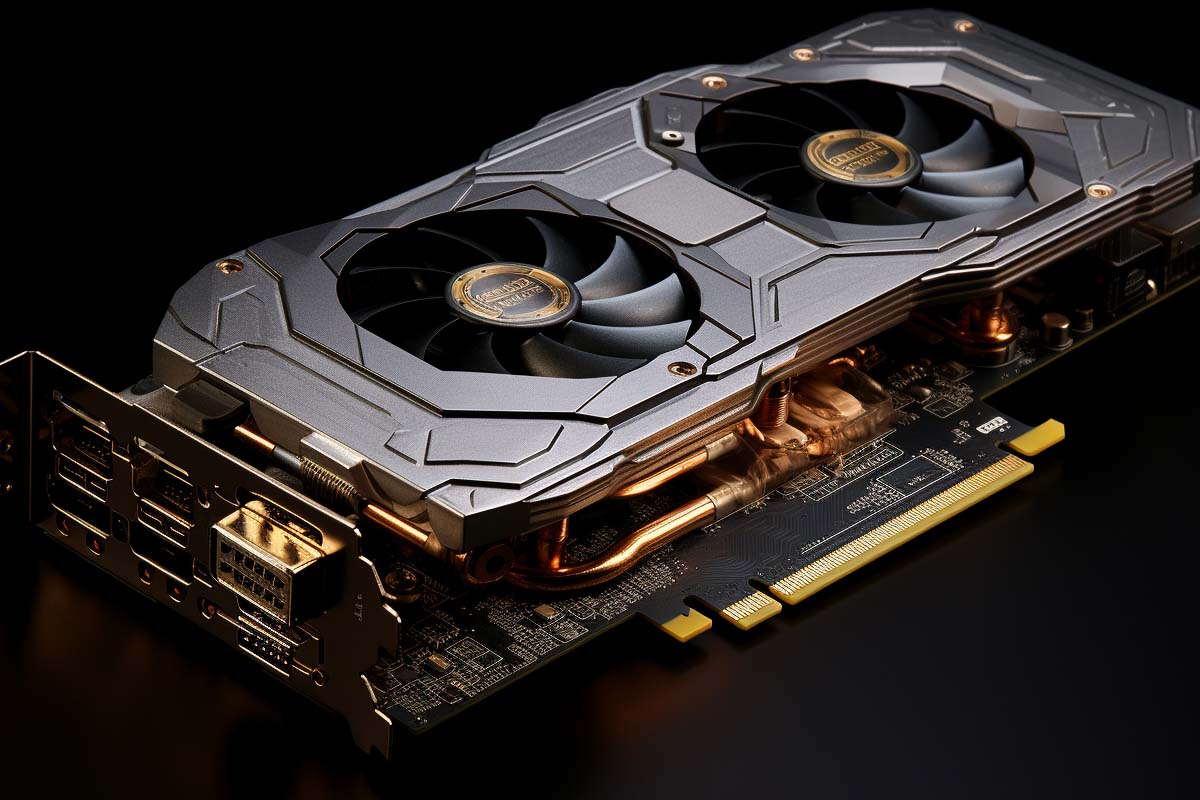
A graphics card, or GPU, renders the images you see on the screen and offloads visual processing from the CPU. In practical terms, it drives frame rates, accelerates video rendering, supports multiple monitors, and keeps the UI responsive when applications use hardware acceleration. When it fails, the symptoms can look like a monitor problem, an operating system issue, or a power problem.
Not every GPU issue is true hardware failure. A temporary glitch may happen once and never return. A driver-related issue may cause random black screens after an update. Real hardware failure usually becomes repeatable: the same artifacts appear under load, the system crashes during GPU-heavy tasks, or the card stops producing video altogether. A card can also deteriorate slowly as fans wear out, thermal paste ages, or voltage regulation becomes unstable.
There is a second layer here that many users miss: the software stack depends on the GPU just as much as the hardware does. Games, creative applications, Windows display components, and the driver all interact. That is why the same machine may appear fine on the desktop but fail as soon as a game opens or a rendering job starts. If you ever see 100 gpu usage while gaming, that is not automatically a problem. It becomes a concern when the high usage comes with stutter, throttling, thermal spikes, or crashes.
Note
A failing GPU often shows load-specific symptoms. If the system is stable while browsing the web but crashes during 3D games or exports, the graphics path is a prime suspect.
How GPU Failures Usually Show Up
Some issues start suddenly after a driver update or a power outage. Others worsen over weeks as heat stress, fan wear, or aging components reduce stability. Users often notice the problem first in a game, a high-resolution video stream, or a design app that uses hardware acceleration. A machine may also boot to the desktop and fail only when switching display modes, waking from sleep, or connecting a second monitor.
That pattern matters because it helps separate a GPU issue from a general system failure. If Windows opens normally but a game crashes after ten minutes, the graphics card, driver, or PSU is far more likely than the SSD or keyboard.
Common Causes of Graphics Card Problems
Several failure modes account for most graphics card issues. The first is overheating. Dust buildup, a failed fan, dried thermal paste, or cramped case airflow can push the GPU past safe operating temperatures. When that happens, the card may throttle performance, stutter, or shut down to protect itself.
The second major cause is driver instability. Outdated, corrupted, or incompatible drivers can trigger black screens, application crashes, and display resets. This is especially common after Windows updates, new game releases, or switching between driver branches. If you are trying to figure out how to troubleshoot graphics card windows 10, the driver path is one of the first places to check.
Power delivery is another frequent culprit. A GPU may require more wattage or more stable rails than the power supply can provide. Loose PCIe power connectors, cheap adapters, or an aging PSU can create intermittent failures that only show up under load. Physical damage also matters. Dropping the card, bending the PCIe connector, or damaging traces with static discharge can create behavior that looks random until you inspect the hardware closely.
- Overheating from poor airflow or fan failure
- Corrupted drivers or incompatible software updates
- Power supply instability or loose cables
- Physical damage from mishandling or impact
- Dust and debris blocking cooling and connections
- Aging components that fail under sustained load
For official driver and support guidance, use vendor documentation such as NVIDIA Driver Downloads, AMD Support, and Microsoft’s display driver documentation. Those sources are more reliable than guessing at what a utility or forum post thinks the error means.
Recognizing the Symptoms of a Failing Graphics Card
GPU failure rarely looks identical from one system to the next, but the symptoms cluster into a few patterns. Visual artifacts are one of the clearest signs. These include colored lines, checkerboard patterns, flashing textures, missing polygons, random shapes, or corrupted text on screen. Artifacts often get worse as the card heats up or enters a demanding game scene.
No video output is the next obvious symptom. The PC may power on, fans may spin, and the system may even seem to boot, but the monitor stays black or reports “no signal.” That does not always mean the graphics card is dead. It can also mean the monitor input is wrong, the cable is faulty, or the card is not seated properly. Still, repeated no-display behavior deserves attention.
Performance degradation is harder to spot because it often creeps in. Frames drop, rendering takes longer, the screen stutters, and applications freeze when the GPU is pushed. A user who expects smooth performance from a 1060 graphics card may notice major slowdowns where the same card used to behave normally. If a newer title suddenly becomes unstable, compare the symptoms against the card’s usual baseline before blaming the game alone.
Artifacts are not “just bugs.” Repeating visual corruption under load is one of the strongest signs that the GPU, VRAM, or power delivery path needs deeper diagnosis.
Driver crashes and spontaneous restarts also point toward GPU trouble, especially when they happen during gaming, rendering, or video playback. You may see application errors, display driver resets, or an abrupt return to the desktop. If the issue appears only during load and not during idle use, that is a useful clue. It often means the hardware is marginal rather than completely dead.
Key Takeaway
Load-dependent failures usually point to the GPU, PSU, cooling system, or driver stack. Idle-only failures more often point to a broader software or system problem.
Physical Inspection and Initial Checks
Before you launch diagnostics, do the basic checks first. Power the computer down, unplug it, and wait for residual power to drain. Open the case carefully and inspect the graphics card for obvious problems. A card that looks fine from the outside can still be slightly unseated in the PCIe slot, which is enough to cause blank screens or unstable behavior.
Check the PCIe power connectors next. A partially seated 8-pin connector or a loose adapter can create intermittent failures that only show up when the card draws more power. Look closely for bent pins, damaged cables, scorch marks, or cracked plastic housings. If the card uses multiple power connectors, verify every one of them is fully inserted.
Examine the cooling assembly. Dust caked into the heatsink, a fan that no longer spins freely, or a fan that rattles under load can lead to thermal throttling and shutdowns. Also check the monitor cable and display input. A bad HDMI cable, DisplayPort cable, or the wrong source selection on the monitor can mimic a GPU failure.
- Shut the system down and disconnect AC power.
- Open the case and confirm the card is fully seated.
- Check all PCIe power connectors.
- Inspect fans, heatsinks, and visible damage.
- Test the monitor cable and input source.
- Review any recent move, cleaning, or hardware swap that may have disturbed the system.
Recent changes matter more than people think. If the PC was moved, dropped, or cleaned recently, a connector may have come loose. If a new PSU, RAM kit, or monitor was added, the symptoms may have started because the system configuration changed, not because the GPU suddenly failed on its own.
Software-Based Diagnosis Tools
Once the hardware checks are done, move to software tools. GPU-Z is a straightforward way to monitor GPU temperature, clock speeds, bus interface, and load behavior. If clocks spike, collapse, or fail to reach expected values, that gives you a concrete baseline. A card that overheats quickly or never boosts properly under load may be struggling with cooling, power, or firmware-related instability.
Device Manager is the simplest Windows check. Look for warning icons, driver errors, or a display adapter that disappears and reappears. If Windows reports the card with a basic display driver instead of the vendor driver, that often means the installed driver has failed or is incompatible. If you need to compare expected behavior against a problematic system, vendor support pages and Microsoft’s hardware diagnostics are better references than guessing.
System logs are also useful. Event Viewer may show display driver resets, kernel errors, or application crashes at the same timestamp as the visual problem. If the same event repeats during games or stress tests, you are narrowing the diagnosis fast. Stress tools and benchmarks can help too, because many GPU problems only show up when the card is pushed.
If you are troubleshooting a modern gaming setup and seeing issues under heavy load, including high frame rendering spikes or a card that becomes unstable during a benchmark, compare the behavior against what the system does in Safe Mode or with minimal startup items. That is a practical way to separate driver and software issues from hardware instability. Search terms like lookup table in computer graphics may bring up rendering topics, but the more useful local question is whether the problem is reproducible in a clean environment.
- GPU-Z for live hardware monitoring
- Device Manager for driver and adapter status
- Event Viewer for repeat crash patterns
- Benchmark tools to force the card under load
- Safe Mode to isolate driver conflicts
For reference, Microsoft’s official display and driver guidance is available through Microsoft Learn. For GPU monitoring and validation, use the card vendor’s own support and diagnostic documentation when possible.
Step-by-Step Troubleshooting Process
A good troubleshooting sequence starts with the cheapest, least invasive fixes. Do not jump straight to replacement. Restart the machine, reseat cables, and confirm the monitor is using the correct input. These are basic steps, but they solve a surprising number of “dead GPU” reports.
Next, update the graphics driver using the vendor’s current stable release. If the system started failing after a recent driver update, rolling back to a known-good version may be smarter than chasing the newest build. If you need to know how to troubleshoot graphics card windows 10, a clean driver install is one of the most effective first-line actions. Use vendor tools or Windows Safe Mode to remove the old package completely before reinstalling.
Temperature checks should happen during the process, not after it. Run the system long enough to reproduce the symptom while monitoring temperatures and fan speeds. If the GPU is hitting thermal limits, the root cause may be airflow rather than the silicon itself. A card that fails only after ten minutes of gaming is telling you something important.
- Restart and verify all display connections.
- Update or roll back the graphics driver.
- Perform a clean driver reinstall if problems persist.
- Monitor GPU temperature, fan speed, and clock stability.
- Test with another cable or monitor.
- Reseat the card and confirm all power leads.
- Run a controlled benchmark or stress test to reproduce the failure.
If a specific setup is still unstable after these steps, compare the symptom profile against similar scenarios such as a 3090 dlss 5 workflow in a modern game or high-resolution render pipeline. Heavy effects and upscale features can expose marginal cooling or power issues faster than lighter desktop work.
Pro Tip
Change one variable at a time. If you update the driver, clean the card, and swap the PSU cable all at once, you lose the ability to tell which fix actually worked.
Repairing Common Graphics Card Issues
Many graphics card problems are repairable, at least temporarily, with proper maintenance. Start by cleaning the card. Use compressed air carefully to remove dust from the fans, heatsink fins, and nearby case areas. Hold the fans in place while cleaning so they do not overspin. Overspinning can damage bearings and shorten fan life.
If temperatures remain high after cleaning, thermal paste may be the next issue. Older cards can dry out and lose heat transfer efficiency. Reapplying thermal paste can reduce temperatures and restore stability, but only if the card is accessible, you are comfortable disassembling it, and the warranty situation allows it. This is where graphics card repair becomes a judgment call: some fixes are simple maintenance, others require more expertise than a typical home user should take on.
Power supply compatibility should be reviewed alongside the card itself. A GPU can appear faulty when the real problem is a PSU that cannot sustain load spikes. Check wattage, rail quality, and the correct use of dedicated PCIe leads. Do not rely on splitters or questionable adapters unless the card vendor specifically supports them.
| Issue | Practical Fix |
|---|---|
| Dust buildup | Clean the heatsink, fans, and case airflow path |
| Thermal throttling | Improve cooling, repaste if appropriate, check fan curve |
| Power instability | Use proper PCIe power leads and verify PSU capacity |
| Display issues | Replace cables, test ports, and confirm monitor input |
If you can test the GPU in another compatible system, do it. That single test often settles the question. If the card fails in a second machine with known-good power and cooling, the card itself is likely the problem. If it works fine elsewhere, the fault is probably in the original PC’s PSU, case airflow, motherboard slot, or software stack.
For official maintenance and support steps, use vendor documentation rather than relying on generic advice. NVIDIA, AMD, and Microsoft all publish guidance that is more reliable than trying to infer a repair path from symptoms alone.
When to Consider Professional Repair or Replacement
There is a point where troubleshooting stops being efficient. If the card shows repeated artifacts, no display, or shutdowns even after a clean driver reinstall, improved cooling, and power checks, the hardware may be failing internally. That can include damaged VRAM, a bad power stage, or a PCB-level fault that a home fix will not address.
Physical damage is the clearest replacement signal. A cracked connector, scorched area, broken fan assembly, or obvious board damage means the card is beyond routine maintenance. At that stage, professional repair may be possible, but it often costs enough that replacement is the better business decision. If the GPU is still under warranty, check the manufacturer’s support process first.
Cost matters too. A new card may make more financial sense than board-level repair, especially if the current card is older or already underperforming. For a business user who depends on the GPU for daily work, downtime has a cost of its own. A reliable replacement may be cheaper than lost productivity.
Replace the card when the failure is repeatable, hardware-based, and already survived the basic fix list. If the same artifacts or black screens return after proper troubleshooting, the card is telling you it is done.
Before sending hardware out for repair or moving to replacement, back up important data. The GPU itself may not store your files, but a failing system can still create downtime that affects project work, unsaved documents, and workstations with local assets. That is especially important for creative professionals, engineers, and gamers with large local libraries.
For market context, the U.S. Bureau of Labor Statistics tracks related support and repair occupations on BLS Occupational Outlook Handbook. While it is not a GPU-specific dataset, it is useful for understanding the broader hardware support skill set and why structured diagnosis remains valuable in IT operations.
Preventive Maintenance for Long-Term GPU Health
The best fix is the one you never need. Keep dust under control with a regular cleaning schedule. In most office or home environments, a quick internal inspection every few months is enough to catch buildup before it becomes heat stress. If the system sits on the floor or near carpet, inspect it more often. That environment pulls in dust faster.
Temperature monitoring should become routine, not reactive. Watch GPU temperatures during gaming, editing, rendering, or any other heavy load. If temperatures keep creeping up over time, that is often the earliest sign of fan degradation or airflow problems. Do not wait for a shutdown to start investigating. A stable idle temperature tells you very little. Load temperature is the number that matters.
Driver hygiene also helps. Keep the operating system and GPU drivers current, but avoid random updates in the middle of a critical workload unless you have tested them. Stability often comes from a controlled patch process, not just from installing the newest version as soon as it appears.
- Clean dust from fans and heatsinks on a schedule
- Check GPU temperatures under load
- Keep airflow paths clear around the case
- Use a quality PSU with enough headroom
- Avoid blocking intake or exhaust vents
- Handle the system carefully during moves or upgrades
Power quality matters more than many users realize. A good PSU with the right wattage and proper PCIe cabling protects the card from instability that looks like GPU failure. If the power supply is weak, old, or overloaded, the graphics card is often the first component to show symptoms. That is why preventive maintenance is not just about cooling. It is about the whole power-and-thermal chain.
For a practical comparison of reliability expectations, vendor documentation from Cisco® and Microsoft® often emphasizes controlled configuration, validated hardware, and supported drivers. The same mindset applies here: stable systems usually come from predictable components and consistent maintenance, not lucky guesses.
Conclusion
If you are trying to solve why is my graphics card not working, the answer is usually somewhere in the same few categories: heat, drivers, power, physical connection, or aging hardware. The key is not to treat every symptom as proof of failure. A black screen can be a cable. Artifacts can be overheating. A crash during a game can be a driver problem or a PSU problem before it is a dead GPU.
The smartest approach is structured troubleshooting. Start with basic physical checks, then move to drivers, temperature monitoring, and stress testing. If the card still fails under load after those steps, the odds of true hardware failure rise quickly. At that point, professional repair or replacement becomes the practical choice.
Preventive care matters just as much as diagnosis. Keep the case clean, preserve airflow, use a reliable power supply, and watch for early warning signs. That approach extends the life of the card and reduces the chance of sudden downtime. For more hardware troubleshooting guidance, ITU Online IT Training recommends pairing this process with official support pages from your GPU vendor and Microsoft’s display documentation.
Next step: If the symptoms are still unclear, document exactly when the failure happens, what application triggers it, and what the temperatures and power behavior look like at the time. That evidence makes the next troubleshooting decision much easier.
CompTIA®, Cisco®, Microsoft®, and Cisco® are trademarks of their respective owners.
