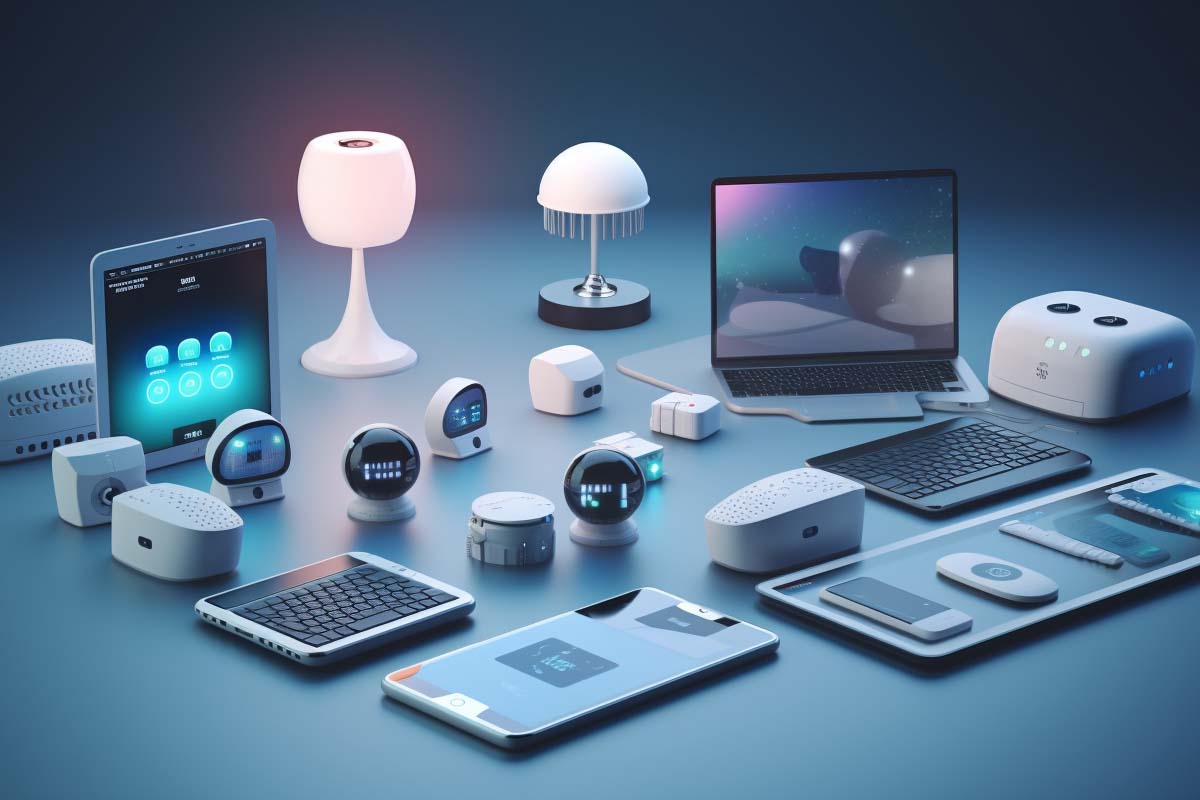
Internet of things examples devices are everywhere now: thermostats that learn your schedule, factory sensors that predict failures, wearables that flag health issues, and vehicle systems that report diagnostics in real time. If you’re still thinking of the Internet of Things as “smart gadgets,” you’re missing the bigger picture. IoT is really about data collection, automation, and faster decisions across homes, businesses, cities, and critical infrastructure.
IT Asset Management (ITAM)
Master IT Asset Management to reduce costs, mitigate risks, and enhance organizational efficiency—ideal for IT professionals seeking to optimize IT assets and advance their careers.
Get this course on Udemy at the lowest price →This post breaks down what the Internet of Things is, how does IoT work, and where the most useful internet of things products show up in real life. You’ll also see how IoT affects IT operations, security, and asset visibility — which is where IT Asset Management becomes especially relevant for tracking connected devices, firmware, warranties, and lifecycle risk.
What Is the Internet of Things?
The Internet of Things is a network of physical devices that collect data, exchange it over a network, and trigger actions based on what they detect. Those devices can be tiny sensors, household appliances, industrial machines, cameras, or vehicles. The key idea is simple: a device is no longer isolated; it can sense, communicate, and participate in a larger system.
This matters because connected devices turn everyday events into usable information. A thermostat notices a temperature change. A motion sensor detects activity. A machine on a factory floor reports vibration levels. That data can be displayed in an app, analyzed in the cloud, or used to automate a response. The result is better visibility and less manual work.
The phrase internet of things examples devices is popular because people want concrete proof that IoT is already part of daily life. The answer is yes. Smart speakers, doorbells, fitness trackers, medical monitors, irrigation controllers, and vehicle telematics systems are all examples of IoT in action.
IoT is not just a collection of smart devices. It is an operational model that turns physical activity into digital intelligence.
That shift is why the topic shows up in IT operations, cybersecurity, healthcare, manufacturing, and the ITAM course context. Once devices are connected, they become assets that need inventory, patching, access control, and support just like servers and laptops.
A Brief History of the Internet of Things
The Internet of Things did not appear overnight. One of the earliest often-cited examples was a Carnegie Mellon Coke machine connected to ARPANET so users could check whether drinks were cold and available before walking to the machine. It was a small experiment, but it captured the core IoT idea: a physical object sharing status data over a network.
By 2000, the LG smart refrigerator helped popularize the idea of internet-connected appliances. It was a headline-grabbing concept at the time, but it also revealed the practical challenge: connectivity alone is not enough. Devices need useful interfaces, real reasons to communicate, and a support model that makes sense for consumers and businesses.
Three technical shifts made IoT scalable. First, microprocessors got smaller and cheaper. Second, sensors became more accurate and power-efficient. Third, adaptable operating systems such as Linux and Android made it easier to build connected products on top of a known software foundation. Add cloud computing, and devices could send data to remote systems for storage, analytics, and automation without carrying the full processing load locally.
That evolution matters because it changed the market from isolated gadgets to connected ecosystems. Today, the official ecosystem thinking shows up in vendor platforms and standards-driven guidance from sources like Cisco®, AWS®, and Microsoft Learn. Their documentation reflects the same pattern: devices, identity, telemetry, cloud services, and automation working together.
Key Takeaway
IoT became practical when low-cost sensors, embedded processors, cloud platforms, and mobile apps all matured at the same time.
How IoT Actually Works Behind the Scenes
People often ask, how does IoT work? The short answer is that IoT follows a data loop. Sensors collect information, the device transmits it, a platform processes it, and software turns it into action or insight. In simple terms, sense, send, analyze, respond.
The connectivity layer depends on the use case. Wi-Fi works well for home and office devices. Bluetooth is common in wearables and short-range sensors. Cellular networks support mobile assets and remote locations. Low-power protocols such as Zigbee, Z-Wave, LoRaWAN, and similar technologies are useful when battery life and range matter more than bandwidth. The right choice depends on power, latency, distance, and data volume.
Edge computing changes the model by processing data closer to the device. That matters when you cannot afford cloud latency. For example, a production machine that detects a safety anomaly may need to shut down locally in milliseconds. A smart traffic system may also need edge decisions to keep signals responsive during congestion.
From data to action
Raw sensor readings are only useful when software does something with them. That could mean sending an alert, turning on a fan, locking a door, or adjusting a schedule. Automation rules are the bridge between data and outcome. They are why an IoT system feels intelligent instead of merely connected.
- Sensor: Captures temperature, motion, pressure, location, or vibration.
- Network: Sends data using Wi-Fi, Bluetooth, cellular, or low-power links.
- Platform: Stores, filters, and analyzes telemetry in the cloud or at the edge.
- Application: Displays dashboards, sends alerts, or triggers workflows.
For security and architecture reference, NIST guidance on IoT and cybersecurity is a useful anchor. See NIST and the NIST Computer Security Resource Center for baseline concepts that align with device hardening and risk management.
Smart Homes and Connected Living
Smart homes are the most visible set of internet of things examples devices for most people. Smart lighting, connected thermostats, video doorbells, smart speakers, and app-controlled appliances reduce friction in daily routines. You can turn off lights from bed, check whether the garage door is open, or preheat the oven on the way home.
The real benefit is not novelty. It is convenience plus control. Voice assistants and mobile apps make the experience intuitive, especially for users who want quick access instead of a wall full of switches and remotes. Remote monitoring also helps when you are traveling or away at work. If a sensor reports that a window is open or a leak is detected, you can react before the problem gets expensive.
Common smart home use cases
Home automation works best when it solves repetitive problems. A thermostat can lower the temperature during work hours. Lights can dim automatically at sunset. A coffee maker can start at the same time each morning. These are small wins individually, but together they reduce waste and improve comfort.
- Energy-saving automation: Lights and HVAC adjust based on occupancy or time of day.
- Appliance scheduling: Washers, dryers, and ovens run during preferred time windows.
- Occupancy-based control: Devices respond when rooms are empty or occupied.
- Remote monitoring: Homeowners check status from a mobile app while away.
Interoperability is still messy. One platform may support a device while another does not. Apple Home, Amazon ecosystem tools, and vendor-specific hubs can create silos. Before buying, verify compatibility, update policy, and whether the product uses open standards or a closed ecosystem. This is where ITAM thinking helps at home too: inventory matters when devices multiply.
Smart Home Security and Safety
Security is where IoT can be genuinely useful. Smart cameras, motion sensors, door sensors, and smart locks create layered protection instead of a single point of failure. If one sensor sees motion and a second sensor sees a door opening, the system can correlate events and trigger a more confident alert.
Remote access adds practical value. You can arm or disarm a system from your phone, create temporary access codes for guests or service providers, and receive alerts if a door is opened unexpectedly. Higher-end systems may also support biometrics, cloud video storage, and intelligent recognition features. Those features can improve convenience, but they also increase the amount of sensitive data stored in connected services.
Connected security devices make homes safer only when access control and privacy settings are treated as seriously as the hardware itself.
IoT safety extends beyond burglary prevention. Smart smoke detectors can notify you faster than traditional alarms if you are away from home. Water leak sensors can catch a burst pipe before it floods a room. Emergency notifications can reach multiple family members at once instead of relying on a single audible alarm.
Warning
Any always-connected camera, microphone, or lock should be treated as a security device and a privacy risk. Change default passwords, enable multi-factor authentication where available, and review vendor data-sharing settings before deployment.
For consumer security baselines, the Cybersecurity and Infrastructure Security Agency provides practical public guidance, while OWASP IoT is useful for understanding common device weaknesses.
Heating, Cooling, and Energy Efficiency at Home
Smart thermostats are one of the clearest examples of IoT delivering measurable value. They learn patterns, detect when people are home, and adjust temperature settings to balance comfort and cost. Instead of heating or cooling an empty house all day, the system can respond to actual occupancy and schedule data.
Room sensors make this smarter. A thermostat near a hallway may not reflect the temperature in a bedroom or office, so distributed sensors help the system make better decisions. Some setups also integrate with utility programs, energy dashboards, and scheduled routines. That gives homeowners clearer insight into when energy is being used and whether a specific pattern is driving waste.
Practical savings examples
Small adjustments add up quickly. Lowering the temperature a few degrees during sleep hours, disabling HVAC in unused rooms, or using geofencing to change climate settings when the house is empty can reduce bills without sacrificing comfort.
- Set a baseline schedule for weekday and weekend use.
- Add room sensors where occupancy differs from thermostat location.
- Use geofencing or presence detection only if you trust the privacy model.
- Review energy reports monthly and adjust automations that are too aggressive.
The environmental benefit is real as well. Less wasted energy means lower demand and fewer unnecessary heating and cooling cycles. For organizations managing distributed properties, these same principles apply at scale and tie directly into asset visibility and operational efficiency.
For energy-efficiency reference points, utility program guidance and building automation principles are often aligned with broader efficiency goals described by government energy agencies and facility standards. The exact platform matters less than the control logic and monitoring discipline behind it.
IoT in the Kitchen and Everyday Household Appliances
Kitchen devices are some of the most practical internet of things products on the market. Wi-Fi refrigerators, ovens, faucets, coffee makers, and dishwashers add convenience because they expose status and control in ways older appliances never could. You can check whether milk is running low, start preheating remotely, or receive a maintenance alert before a filter issue becomes a repair call.
The strongest use cases are usually low effort and high frequency. A coffee maker that starts on schedule saves a few minutes every morning. A refrigerator inventory feature may help with grocery planning. A dishwasher notification can tell you when a cycle is complete or when detergent levels are low. None of that is flashy, but it reduces friction.
Voice control also improves accessibility. For users with mobility challenges or busy households where hands are full, being able to issue a command instead of pressing multiple controls is a real benefit. The same is true for timers, reminders, and appliance status prompts delivered through a phone.
Where the data becomes useful
Connected appliances increasingly collect performance data that supports maintenance and troubleshooting. A refrigerator can report abnormal temperature swings. An oven can log fault codes. A dishwasher may detect when cycles fail to complete. That turns a passive device into a monitored asset.
- Inventory alerts: Track common items and reduce last-minute shopping.
- Remote control: Start, stop, or adjust appliances from another room or location.
- Maintenance reminders: Get notifications for filter changes or error conditions.
- Usage insights: Spot patterns that indicate waste or malfunction.
For appliance ecosystems, vendor documentation is the safest source of truth. Device behavior, supported integrations, and firmware update processes are usually documented by the manufacturer and should be checked before purchase.
IoT in Business and the Modern Workplace
Businesses use IoT to improve productivity, monitor assets, and reduce downtime. In the office, connected printers, conference room systems, occupancy sensors, and environmental controls can make spaces easier to manage. In retail, IoT can support smarter inventory visibility and more responsive customer environments. In facilities management, it helps teams spot problems before users complain.
The operational value comes from visibility. If a meeting room is booked but sensors show no occupancy, resources are being wasted. If an HVAC system reports abnormal performance, maintenance can be scheduled before comfort is affected. If a copier or badge reader begins failing repeatedly, support teams can intervene sooner. This is the same logic behind ITAM: know what you own, where it is, how it is performing, and when it needs attention.
Dashboards and alerts let managers make faster decisions. A simple alert that a room is too warm, a device is offline, or a floor has exceeded expected occupancy can save time and reduce service tickets. Over time, the data also reveals trends that support planning, budgeting, and lifecycle replacement.
For workplace strategy, the Gartner perspective on digital operations and the CompTIA® workforce research on IT skills are both useful for understanding why connected environments require more cross-functional support. IoT is not just a facilities issue or a networking issue; it is an operations issue.
IoT in Healthcare and Remote Patient Monitoring
Healthcare is one of the most important areas for IoT because the data can support earlier intervention. Wearables and connected medical devices track vital signs, activity levels, glucose trends, heart rhythm, and other indicators. That information can be sent to clinicians without requiring the patient to stay in a hospital bed or clinic chair.
Remote patient monitoring is especially useful for elderly care, chronic disease management, and post-surgery recovery. A patient with heart issues may wear a monitor that flags unusual rhythm patterns. A diabetic patient may use a connected glucose device. A caregiver may receive an alert if a fall or abnormal reading occurs. The point is not to replace medical staff. It is to extend their visibility between visits.
Note
Healthcare IoT is only valuable when data accuracy, privacy, and clinical workflow integration are strong. A device that generates noisy or delayed readings creates risk instead of reducing it.
Common concerns include patient privacy, interoperability with electronic health record systems, and whether devices meet regulatory expectations for clinical use. In practice, healthcare teams need vendor assurance, secure identity controls, and a clear path for alert escalation. For broader regulatory context, HHS provides HIPAA guidance, and NIST publications help frame secure system design.
IoT in Transportation and Automotive Innovation
Connected cars are effectively mobile IoT platforms. They collect and share data for navigation, diagnostics, safety, entertainment, and maintenance. Drivers may see tire pressure warnings, battery status, engine alerts, or remote start features in an app. On the backend, the vehicle can transmit service data that helps manufacturers and fleet managers identify issues sooner.
Fleet management is where IoT has especially strong ROI. Route optimization reduces fuel use. Driver behavior tracking can identify hard braking, excessive idling, or unsafe patterns. Fuel monitoring and maintenance scheduling help operators control costs. For delivery, service, or logistics organizations, those insights can materially improve operations.
Vehicle-to-infrastructure and smart traffic
The next layer is vehicle-to-infrastructure communication. Smart traffic signals, road sensors, and connected parking systems can share conditions in real time. That can improve congestion management and make urban transportation more adaptive. Emergency response systems can also benefit from better location and status information.
- Remote diagnostics: Detect issues before they strand the vehicle.
- Driver assistance: Surface alerts and status information in real time.
- Fleet visibility: Track route, fuel, service, and utilization data.
- Road safety: Support smarter traffic timing and incident response.
Transportation IoT has high security expectations because failures can affect physical safety. The design principles from NIST and vehicle cybersecurity guidance from major automakers and standards bodies matter here more than consumer convenience features.
IoT in Agriculture and Food Systems
Agriculture is one of the best examples of why IoT matters beyond consumer convenience. Soil sensors, weather stations, connected irrigation systems, and environmental monitors help farmers make decisions based on actual conditions instead of guesswork. This is the core of precision agriculture.
When moisture, temperature, nutrient levels, and weather trends are measured continuously, growers can water only when needed, apply inputs more accurately, and react sooner to plant stress. That reduces waste and can improve yields. It also supports sustainability because less water and fewer resources are used to produce the same output.
Livestock monitoring adds another layer. Wearable tags and connected trackers can identify unusual movement, feeding changes, or health concerns. That allows faster intervention and better animal welfare. The same data can support herd management and reduce losses.
At the supply chain level, farm data can improve planning and traceability. If field conditions are logged over time, downstream stakeholders have better visibility into crop quality and timing. For a growing number of operations, this is what turns IoT from a useful tool into a competitive advantage.
For broader food system context, public agricultural and supply-chain data from government sources and standards groups can help teams compare sensor-driven decisions with traditional farming methods. IoT is not replacing agricultural expertise; it is making that expertise more measurable and responsive.
IoT in Industry and the Rise of Smart Manufacturing
Industrial IoT is where the business value becomes hardest to ignore. In manufacturing environments, connected sensors, machines, and control systems support automation, asset tracking, and predictive maintenance. The goal is simple: keep equipment running, improve output quality, and reduce unplanned downtime.
A machine that reports vibration, heat, pressure, or throughput changes can reveal trouble before a failure happens. That means maintenance can be scheduled during planned downtime instead of after a production stop. It also helps quality teams catch drift in real time instead of discovering defects after a batch is finished.
Digital dashboards are critical in this environment. Managers need to see bottlenecks, cycle times, and equipment health quickly. In a well-run operation, the dashboard does not just show data; it drives action. If one line is underperforming, the team can inspect the root cause instead of guessing.
Industrial environments demand more than consumer-style connectivity. Reliability, interoperability, segmentation, and security are non-negotiable. Devices may need to work for years, survive harsh conditions, and integrate with legacy control systems. That is why industrial deployments often have more rigorous design and validation requirements than smart home products.
For manufacturing standards and cyber resilience, look to CISA, ISO 27001, and vendor-specific industrial documentation when planning device rollout and maintenance.
Security, Privacy, and the Risks of an Always-Connected World
IoT expands the attack surface because every connected endpoint becomes a possible entry point. Weak passwords, exposed services, insecure firmware updates, and poor network segmentation are common reasons devices get compromised. Once a device is hijacked, it can be used for surveillance, data theft, botnet activity, or lateral movement into a larger network.
Privacy concerns are just as important. Cameras record video, microphones capture audio, and location-aware devices track movement patterns. Even basic telemetry can reveal when someone is home, how often they move around, or what routines they follow. That is useful for automation, but it is also sensitive behavioral data.
Safer IoT use in practice
Security needs to be a shared responsibility. Manufacturers should ship devices with secure defaults, timely patching, and transparent update policies. Users and IT teams should take care of identity controls, segmentation, monitoring, and lifecycle management.
- Change default credentials on every device.
- Enable updates and check firmware status regularly.
- Segment IoT traffic on a separate VLAN or guest network when possible.
- Limit permissions to only the features actually needed.
- Review logs and alerts for unusual access or device behavior.
For standards-based guidance, the OWASP IoT resources, CISA advisories, and NIST cybersecurity publications provide practical baseline thinking. This is also where ITAM helps: you cannot secure what you do not know exists.
The Future of IoT and What Comes Next
IoT will keep evolving alongside cloud computing, edge computing, AI, and 5G. That combination makes devices more responsive, more autonomous, and better at handling larger data sets. The next wave of internet of things examples devices will likely be less about novelty and more about embedded intelligence in everyday environments.
Homes will become more adaptive. Cities will use more real-time infrastructure data. Factories will push more logic to the edge. Healthcare will depend more heavily on remote monitoring and predictive alerting. In each case, the trend is the same: systems that observe, learn, and act with less manual intervention.
AI will deepen the value of IoT by turning raw telemetry into predictions. Instead of merely saying a machine is hot, the system may predict failure within a specific time window. Instead of just detecting occupancy, a building may optimize airflow, lighting, and access patterns dynamically. That is where automation becomes truly useful.
But the future also brings hard questions. Who owns the data? How much surveillance is acceptable? How should cities govern connected infrastructure? How do organizations protect users while still using data effectively? These questions will shape adoption as much as technical capability.
IoT is no longer a future concept. It is an operating reality, and the organizations that manage it well will get more value with less risk.
For workforce context, the BLS Occupational Outlook Handbook and the NICE Workforce Framework are useful for understanding the skills that support connected environments across IT, security, and operations.
IT Asset Management (ITAM)
Master IT Asset Management to reduce costs, mitigate risks, and enhance organizational efficiency—ideal for IT professionals seeking to optimize IT assets and advance their careers.
Get this course on Udemy at the lowest price →Conclusion
IoT is reshaping the world through convenience, efficiency, and connectivity, but the real story is broader than consumer gadgets. The strongest internet of things examples devices are the ones that improve visibility, automate routine work, and help people make better decisions from real-time data.
From smart homes and healthcare wearables to vehicles, farms, factories, and office buildings, IoT keeps expanding into places where decisions depend on timely information. That expansion also raises new responsibilities: asset tracking, patch management, privacy controls, and network security all become part of the job.
If you work in IT, operations, or infrastructure, this is where IoT and IT Asset Management intersect. The more connected devices you have, the more important it becomes to know what is deployed, who owns it, how it is configured, and when it needs maintenance or replacement. That discipline reduces risk and improves service quality.
For a practical next step, review the connected devices already in your environment, identify which ones are business-critical, and check whether each device has a clear owner, update path, and security baseline. That small inventory exercise is often the difference between managing IoT and being surprised by it.
Pro Tip
Start with a simple IoT inventory: device name, location, owner, network, firmware version, and update policy. That one spreadsheet can expose risk faster than a dashboard full of charts.
CompTIA® and Security+™ are trademarks of CompTIA, Inc.
